
Are our ancient brains trapped in modern spaces?
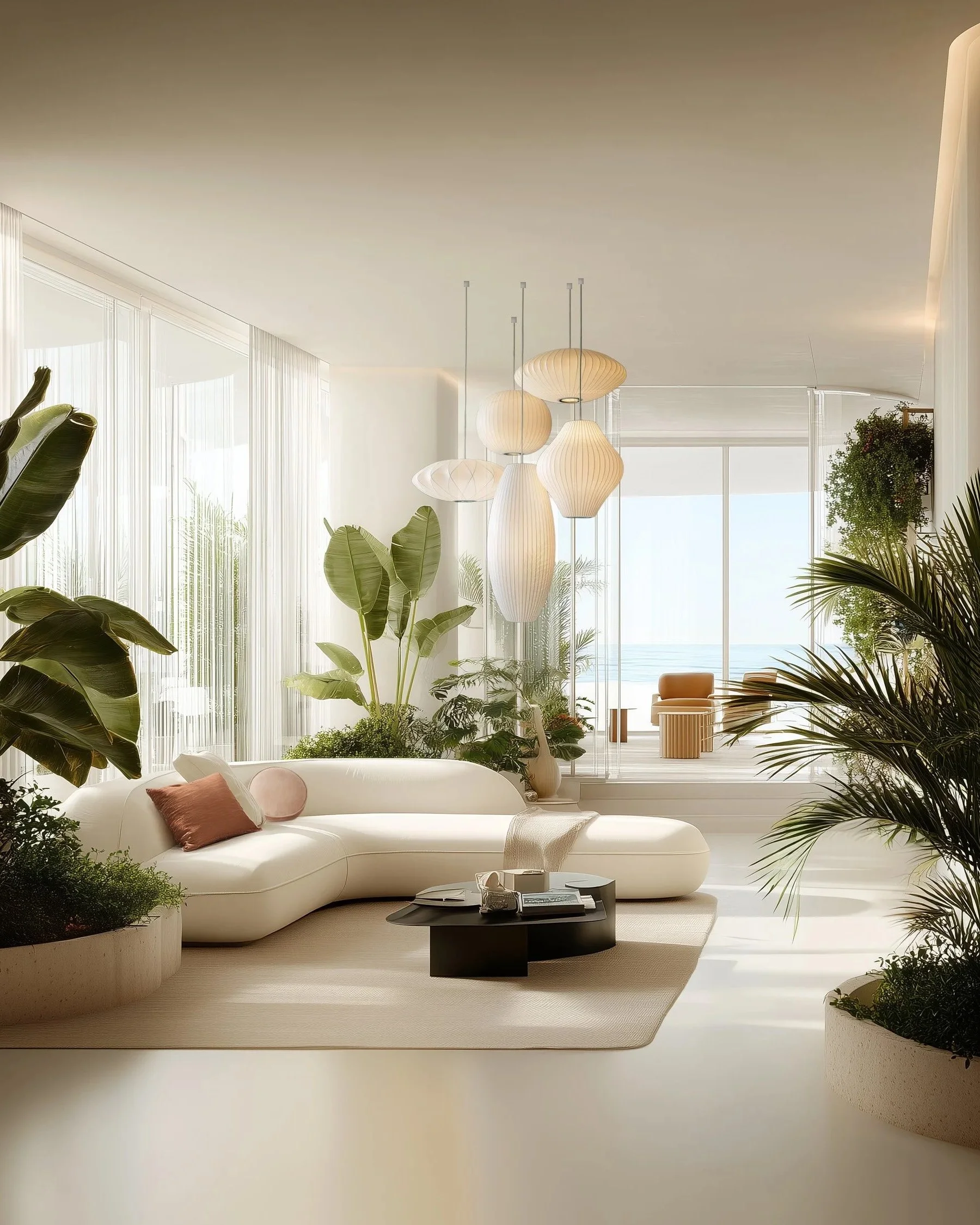
Designed by @Flocdesign
For millions of years, human survival depended on being deeply attuned to the natural world. We navigated landscapes, followed the sun, and read the sky. Today, we may live in cities surrounded by concrete and glass — but our brains still operate with Stone Age programming. This is why looking out a window feels instinctively good, and why staring at a blank wall feels so wrong.
Aa a designer, I believe that understanding this connection is not just interesting — it is essential. For 20 years, I’ve been designing luxury interiors, and now my vision of the future of interior design is clear: We need to create spaces that reconnect us with nature, nurture the mind, and enhance wellbeing.
This is where neuroscience, biophilia, and sensory design converge to form a new approach to high-end interiors.
The Science Behind Biophilic Design
The term biophilia means “love of life.” It is our innate need to connect with the natural world — a need too often neglected in modern buildings.
Biophilic design is about intentionally weaving natural elements into interiors so they restore us rather than drain us. And science confirms its impact:
Natural light regulates circadian rhythms, improves sleep, mood, and energy.
Greenery reduces cortisol (stress hormone) and increases focus.
Natural materials like wood or stone evoke grounding, warmth, and permanence.
Water sounds lower heart rate and promote calm.
Biomorphic forms — curves, leaf-like patterns — create a sense of safety and belonging.
Hospitals with garden views report shorter recovery times for patients. Schools with abundant daylight boost test scores. Workplaces with natural elements see happier, more focused employees.
If these effects can transform hospitals, schools, and offices, imagine what they can do for our homes, wellness retreats, or hospitality spaces.
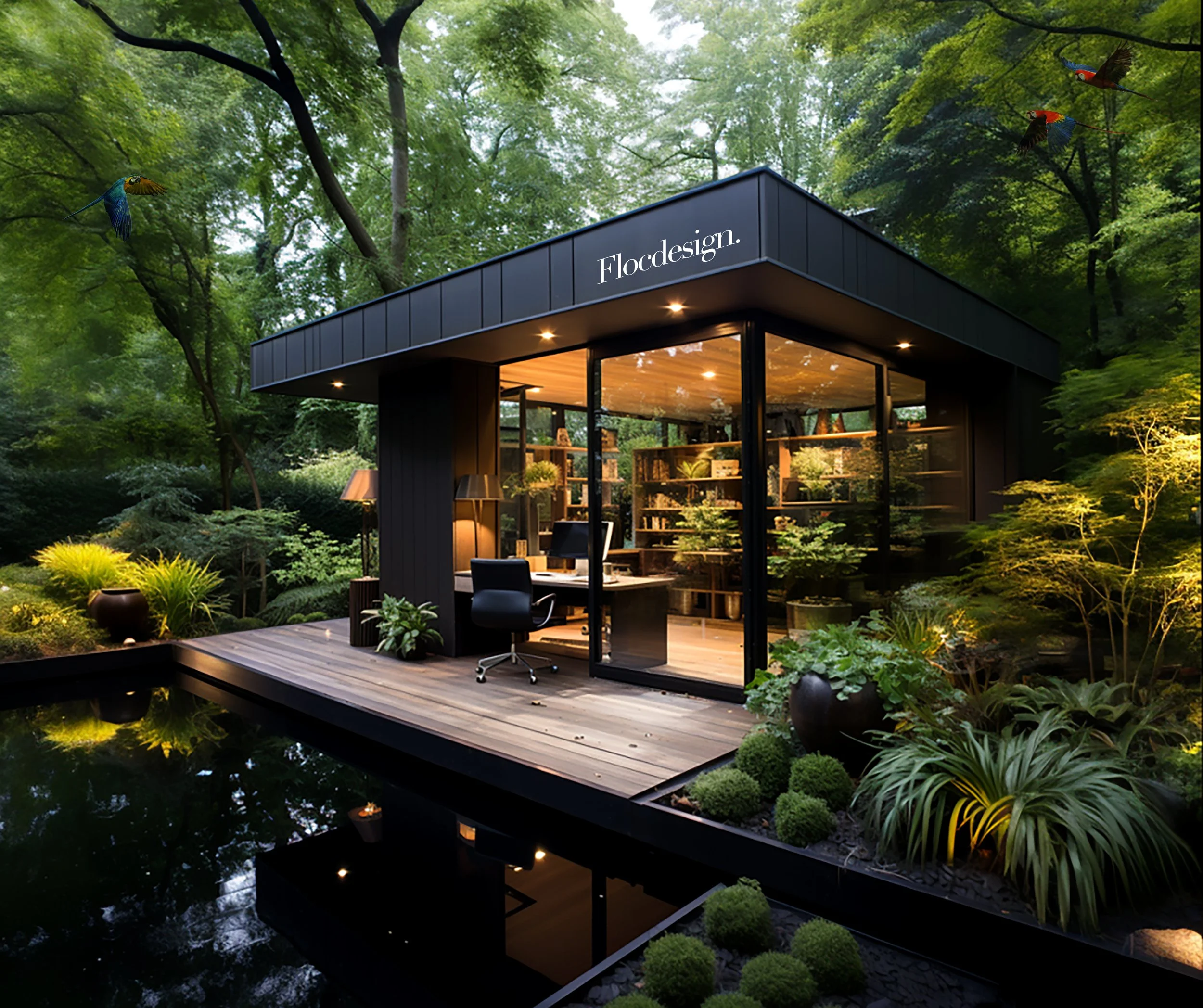
@Flocdesign concept